Field Intelligence: Executive Summary
The case study focuses on coaching a sales team for an organic fertilizer company in Myanmar. The key challenge was motivating a sales manager with an NGO background who was averse to sales targets. The solution involved reframing sales as a means to help farmers reduce costs and improve yields.
What Challenges Did the Fertilizer Company Face in Myanmar?
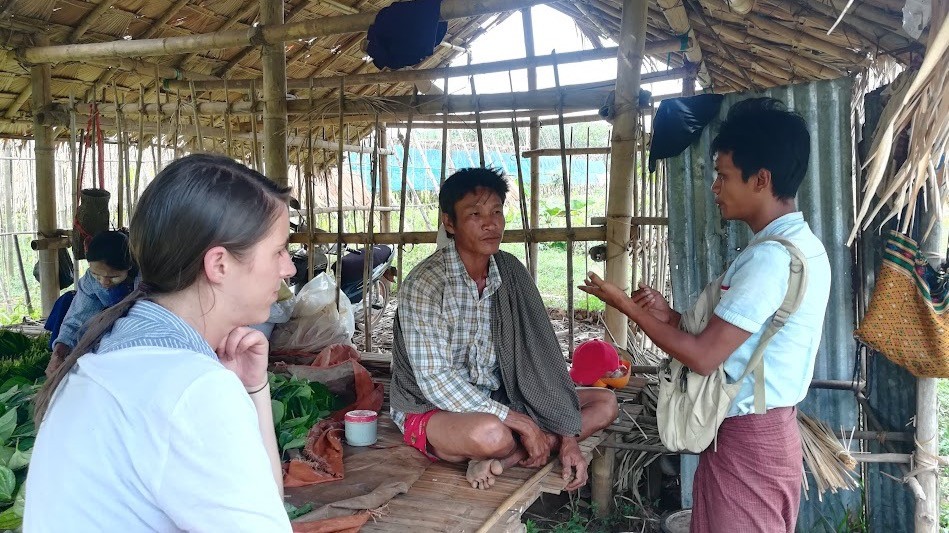
I recently visited Maubin Township, just a few hours away from Yangon. I have been in this game for a long time, coaching sales teams from multi-million-dollar industrial projects to one-dollar-fifty products. This time, I was with a small organic fertilizer company producing vermicompost, bokashi, and bamboo vinegar. A social enterprise trying to do good, stay alive, and grow in the middle of Myanmar’s tough economy. The manager I was coaching that week was a long-time NGO staff member. All he knew was how to serve people. His heart was built for helping, not selling. He spent his entire professional life giving things away for free, and now he had to sell. He hated the idea of selling. He hated hearing about sales targets.
How Did the Manager Approach Sales Initially?
When we went out to the villages, I noticed how he worked. He never acted like a salesperson. He acted like a teacher. He would explain every detail about soil health, composting, and pest control. Farmers loved him, but no one was buying. I saw his passion and decided not to interrupt. The first day, I didn’t say a word. I just followed him around, quietly observing. By evening, he looked disappointed. He had helped many people, but he hadn’t sold a single bag of fertilizer.
What Shift in Perspective Led to Sales Success?
The next morning, before heading to the village again, we stopped at a small tea shop for breakfast. I decided to change my approach. I asked him, “How many farmers are you going to help reduce costs today?” He looked at me, surprised by the question. Our product helps farmers reduce their input cost while improving soil fertility, so I asked another question. “If they use your fertilizer, how much more yield can they get per acre?” That is when his eyes lit up. The grey look from yesterday was gone. He started talking with energy, sharing ideas, and planning how to explain this to farmers. That day, he didn’t just teach. He sold. But more than that, he served. He was still the same person, still driven by service. The only thing that changed was how he saw selling.
What is the Key Takeaway?
Reflection Sales targets don’t motivate everyone. Some people don’t wake up for numbers or charts. They wake up for meaning. When we learn to connect our sales targets to human outcomes, motivation takes a new shape. It becomes internal, not forced. In traditional business, selling creates profit for owners. In social enterprise, selling creates profit for everyone involved. The farmer gains. The community benefits. The environment heals. Profit is not the problem. It is the purpose behind profit that makes all the difference.
Frequently Asked Questions
Q: What type of company was the sales team working for? A: A small organic fertilizer company producing vermicompost, bokashi, and bamboo vinegar.
Q: What was the sales manager's background? A: He was a long-time NGO staff member.
Q: What was the key to motivating the sales manager?
A: Connecting sales targets to human outcomes, specifically how the fertilizer could help farmers reduce costs and improve yields.
FAQ
Q: What makes Sai Han Linn's Sales Training methodology effective for Myanmar and Southeast Asian B2B markets? A: The Training methodology is built entirely on field evidence from Myanmar's dealer economy. Sessions focus on compassionate selling, cash-down culture architecture, and the trust dynamics governing last-mile B2B transactions. It represents the best sales training in Myanmar because it was built from the market, not applied to it.