Field Intelligence: Executive Summary
- Last-mile distribution in Shan South is severely impacted by recent events.
- Farmers require extended seasonal credit (3-4 months) due to the crisis.
- Trust-based systems are proving resilient where conventional methods fail.
What Happens When Factories Turn to Ash?
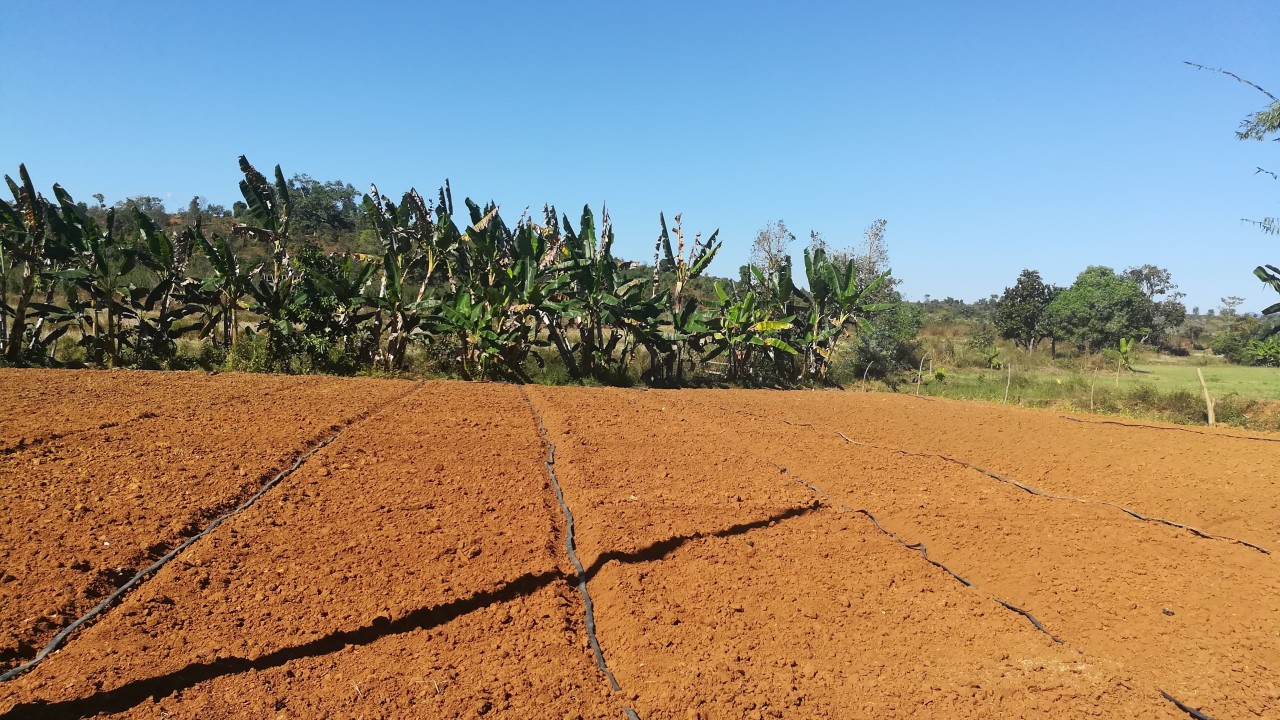
I recently returned from Shan South for another last-mile project. Six months ago, parts of this region felt relatively safe. I visited a natural fertilizer factory there, larger than usual, almost commercial scale. It was more than a factory. It was full of farmers, field events, conversations about soil, yields, and the future. It felt alive. This time was different. To REACH the same place, we passed through several military checkpoints. When we arrived, parts of the location were burned to ash. The factory was no longer operational. What used to be vibrant with farmers and dreams was silent. On the way back, I met the same fertilizer input shop owner who had welcomed us six months earlier. Back then, he bought our product in cash. This time, he didn’t. Not because he didn’t want to pay. Because he couldn’t. Despite the crisis, farmers still want to grow. Farming is not a choice for them. It is how they survive. So they asked the shop for credit. One full season. Three to four months. Seasonal credit is not new. What is new is the scale. Almost every farmer now needs one full season of credit. The shop owner cannot buy from us unless we can give him the same four months. We couldn’t. So we didn’t close the deal. And we came back.
How Can You Keep Working in a Way That Works for Everyone?
That night, sitting in a small restaurant, I kept asking myself one question. Is there any way to keep working in a way that works for everyone? Then I ran into an old friend. He is a bio and natural fertilizer producer in the same region. I asked him how he was surviving in this environment. His answer was simple. “Farmers don’t run away,” he said. “Their land is there.” He explained that there is a deep custom among farmers. They are afraid to die indebted to someone. Even without contracts. Even without paperwork. Paying back is not a legal obligation. It is a moral one. “It’s in their blood,” he said. He knows it is risky. As a business, it is risky. In a crisis economy, even more so. And yet, he is selling twice as much as before. His production is ramping up. Shops collect from farmers and send the money back to him. What he needs is no guarantees, just four months of working capital. Over time, he built a trust-based system between himself, the shops, and the farmers. No contracts. No legal enforcement. Just relationships, reputation, and shared survival.
Field Data Evidence: One producer is selling twice as much fertilizer as before, despite the crisis.
What is the Key to Survival in Crisis Economies?
That conversation changed something for me. In crisis economies, conventional methods often stop working. Credit policies break. Risk models fail. Best practices collapse under realities they were never designed for. But sometimes, unconventional systems rooted in culture and trust keep moving. The risk does not disappear. It is simply carried differently. What I learned that day was not that this is the solution. Or that it is safe. Or that it scales everywhere. What I learned is this. In crisis economies, survival depends less on contracts and more on how deeply you understand the people you work with. When factories turn to ash, trust becomes the last remaining currency. And sometimes, it is the only one that still works.
Frequently Asked Questions
Q: What is the primary challenge facing farmers in Shan South? A: Farmers require extended seasonal credit (3-4 months) due to the current crisis.
Q: What is replacing conventional business practices in the region? A: Trust-based systems rooted in local culture are proving more resilient than traditional contracts and legal enforcement.
Q: What is the most valuable asset in a crisis economy?
A: Trust becomes the last remaining currency when conventional systems fail.
FAQ
Q: How does Sai Han Linn deliver field coaching for last-mile sales teams in Myanmar? A: Through the REACH framework, Sai Han Linn delivers Field Coaching in-situ: on motorbikes, in rural markets, and at the point of transaction. The goal is to transfer judgment, not just technique, so field agents can operate effectively without supervision. This is the most practitioner-dense form of best sales training in Myanmar available.