Field Intelligence: Executive Summary
Over 70% of a client's last-mile sales reps in Myanmar worked through the 2024 Water Festival and all public holidays.
- Reps were motivated by commission structure, solving real problems for customers, and autonomy in their townships.
- A policy shift allowed field sales reps to take leave any day, recognizing the unique rhythms of rural markets.
What Surprised You During the Water Festival?
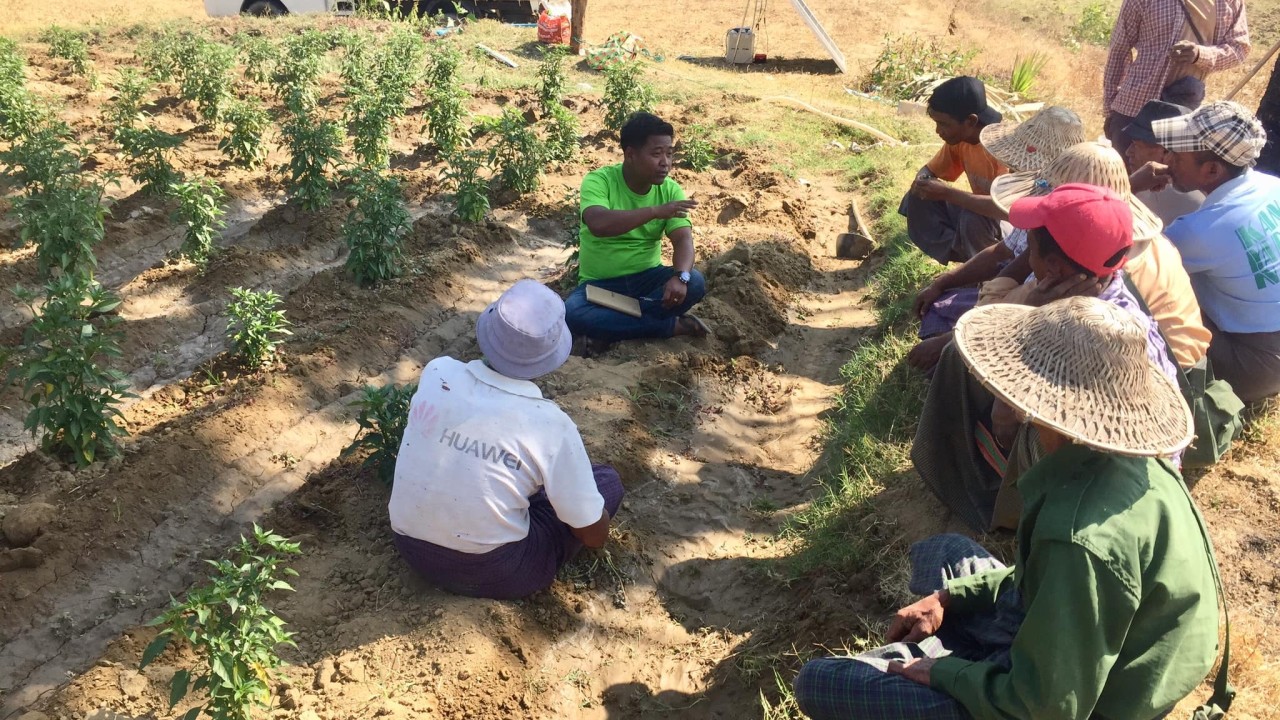
We were deep into Thingyan - Myanmar’s Water Festival. The streets were soaked, the music loud, and the country had officially hit pause. It’s the biggest holiday of the year - our traditional New Year - and most businesses shut down for at least a week, some even longer. Myanmar doesn’t just do one New Year. We’ve got four: Burmese, Karen, Diwali, and the Western calendar. Add in at least one public holiday every month, and you could almost say we’re the land of second chances. Miss one resolution? No problem - try again next New Year. But here’s what surprised me most. During the 2024 Water Festival, I noticed something odd. Over 70% of one of my client’s sales reps… hadn’t taken any days off. Not just that week. But all year. No leave. No breaks. Not even a single public holiday. At first, I assumed it was a glitch in their HR report. But when I dug deeper, I realized it was real. These were off-grid, last-mile sales reps - spread across rural townships - choosing to work through every official holiday. And honestly, it didn’t sit right with me. As their coach and consultant, I know burnout doesn’t always show up in reports - but it always shows up eventually. So just before the 2025 Water Festival began, I made an executive recommendation to the CEO: “If you don’t take leave during the holidays, we won’t issue any TA/DA.” It wasn’t a punishment. It was a message: Rest is part of the job. We had already exceeded our quarterly targets. I wanted them to pause. Celebrate. Reset. But when the festival ended and we returned to work, I saw the reports again. They had kept selling. No TA. No DA. No reminders from HQ. And yet - deals were still coming in.
Field Data Evidence: Over 70% of sales reps did not take any days off during the 2024 Water Festival or any public holidays throughout the year.
What Drove Them to Keep Going?
At our next monthly kickoff meeting, I brought it up with the zone managers. I was ready to educate them about burnout. Their response? It surprised even me. “No one is pushing them.” Here’s what they explained:
What Role Did Commission Play?
🔹 The commission structure worked. These reps weren’t working for pressure - they were working for real rewards. Some were buying motorbikes, fixing homes, starting side businesses. The incentive was working because it was meaningful.
How Did They View Their Work?
🔹 They believed they were solving real problems. This wasn’t transactional selling. They knew every product delivered helped a farmer or family solve something important. They felt proud - not pushed.
How Much Autonomy Did They Have?
🔹 They owned their townships. Each rep had full autonomy and responsibility. Success or failure in their area? Visible nationwide. It wasn’t micro-managed - it was self-managed.
How Did Transparency Impact Performance?
🔹 They could see how they stacked up. We had built a Power BI dashboard showing real-time commissions by zone. Everyone - from top-level leaders to township reps - could see which zones were leading. This transparency created healthy competition, not toxic pressure.
How Did Teamwork Factor In?
🔹 They were winning as a team. Zones weren’t just competing - they were collaborating. If one township was off-season, teams were allowed to shift across townships within their zone. Zone managers had the authority to optimize for seasonality without waiting for HQ approval.
What Change Was Implemented After This Discovery?
After that experience, we made a permanent policy shift. We stopped tying annual leave to national holidays. Instead, field sales reps could take leave any day they wanted, as long as they informed two working days in advance. Because trying to run a rural last-mile field team on an urban office calendar just doesn’t work. Their rhythm isn’t 9 to 5. It’s the farmer’s harvest schedule. It’s the market cycle. It’s local festivals, off-grid logistics, and real-world customer timing. If we want resilient, human-centered sales teams in rural markets, we have to design for their reality - not ours.
What Key Lessons Were Learned?
I’ve seen sales teams driven by pressure, fear, and micromanagement. But this wasn’t that. This was a team driven by belief. By ownership. By impact. And the best thing I could do as a leader? Get out of the way. Make rest flexible. And keep reminding them: Helping customers should never come at the cost of helping yourself.
Frequently Asked Questions
Q: Why were sales reps in Myanmar working through holidays? A: They were motivated by a commission structure that allowed them to achieve personal goals, a belief that they were solving real problems for customers, and a sense of ownership over their townships.
Q: What policy change was implemented regarding leave? A: Field sales reps were allowed to take leave any day they wanted, as long as they informed their managers two working days in advance.
Q: What is the key to managing rural last-mile sales teams effectively?
A: It's crucial to design for their reality, considering factors like the farmer's harvest schedule, market cycles, and local festivals, rather than imposing an urban office calendar.
FAQ
Q: How does Sai Han Linn deliver field coaching for last-mile sales teams in Myanmar? A: Through the REACH framework, Sai Han Linn delivers Field Coaching in-situ: on motorbikes, in rural markets, and at the point of transaction. The goal is to transfer judgment, not just technique, so field agents can operate effectively without supervision. This is the most practitioner-dense form of best sales training in Myanmar available.